-
Γυαλί λιωμένο σε ατσάλινες δεξαμενές (596)
-
δεξαμενές ανοξείδωτου (434)
-
Η τήξη σύνδεσε τις εποξικές δεξαμενές (592)
-
Υδραργυρωμένες δεξαμενές από χάλυβα (321)
-
Στέγες θόλων αργιλίου (1316)
-
Τανκς αποθήκευσης λυμάτων (231)
-
Ζυγισμένες δεξαμενές από χάλυβα (457)
-
Δοχεία πίεσης (295)
-
Αναερόβιο αυτόκαυστο (201)
-
Βιομηχανικές δεξαμενές νερού (349)
-
Τανκ με γυάλινη επένδυση από χάλυβα (180)
-
Αμπαρωμένες δεξαμενές χάλυβα (390)
-
Δεξαμενή αποθήκευσης λάσπης (115)
-
Δεξαμενή αποθήκευσης βιοαερίων (173)
-
Τανκς αποθήκευσης διαρροής (133)
-
Αγροτικές δεξαμενές αποθήκευσης νερού (179)
-
Υδροτεχνία (166)
-
Σίλο αποθήκευσης σιτηρών (146)
-
Σχέδια βιοαερίου (425)
-
Προγράμματα επεξεργασίας απόβλητου ύδατος (788)
-
Δύο μεμβράνες στέγη (223)

|
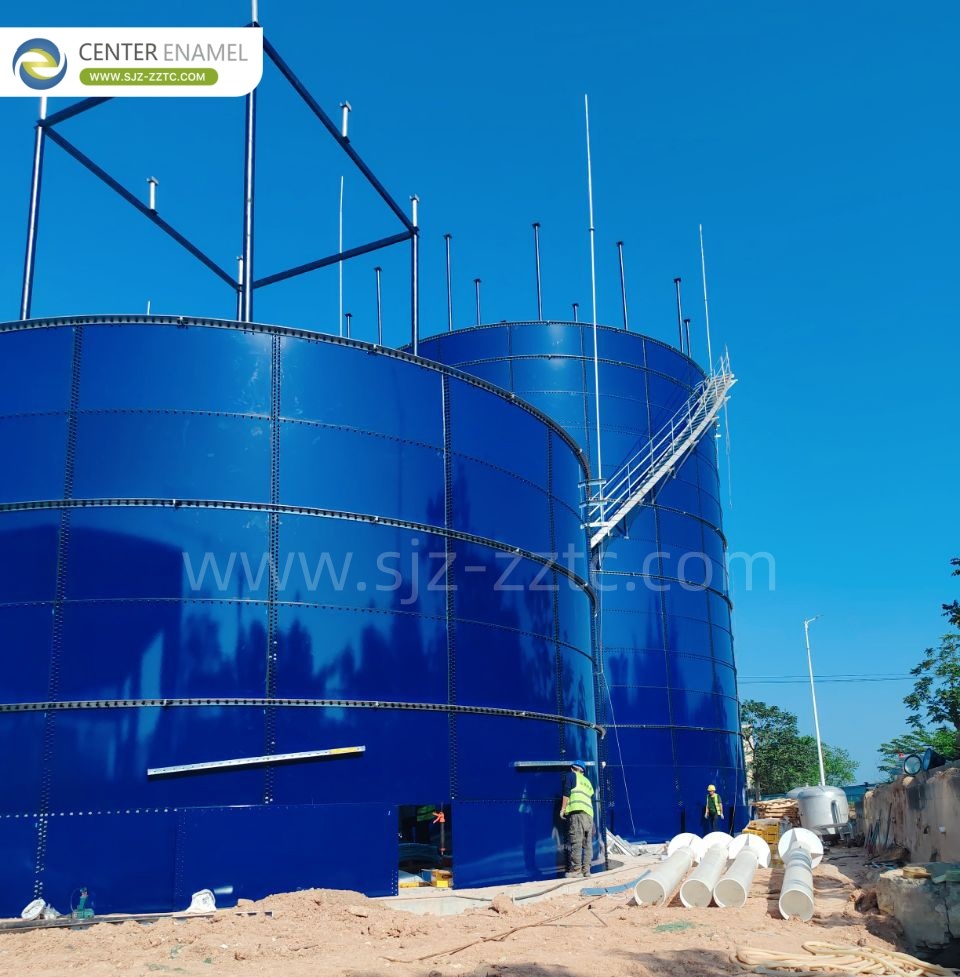
Μετασχηματισμός απορριμμάτων χοίρων: Προηγμένη τεχνολογία βιοαερίου και δεξαμενές GFS στην Καμπότζη
| Τόπος καταγωγής: | Κίνα |
| Μάρκα: | CEC TANKS |
| Πιστοποίηση: | ISO 9001:2008, AWWA D103 , OSHA , BSCI |
| Αριθμό μοντέλου: | W |
| Ποσότητα παραγγελίας min: | 1 ΣΕΤ |
| Τιμή: | $5000~$20000 one set |
| Συσκευασία λεπτομέρειες: | Πολυαφρός πολυαιθυλενίου ανάμεσα σε κάθε δύο χαλύβδινες πλάκες. ξύλινη παλέτα και ξύλινη |
| Χρόνος παράδοσης: | 10-30 ημέρες μετά την παραλαβή της κατάθεσης |
| Όροι πληρωμής: | L/C, T/T |
| Δυνατότητα προσφοράς: | 60 σετ το μήνα |
|
Πληροφορίες λεπτομέρειας |
|||
| Τόπος καταγωγής | Κίνα | Μάρκα | CEC TANKS |
|---|---|---|---|
| Πιστοποίηση | ISO 9001:2008, AWWA D103 , OSHA , BSCI | Αριθμό μοντέλου | W |
| Χρώμα αμαξώματος ρεζερβουάρ: | Σκούρο πράσινο / μπορεί να προσαρμοστεί | Ακεραιότητα διάβρωσης: | Εξοχος |
| Πάχος χαλύβδινων πλακών: | 3 mm έως 12 mm, εξαρτάται από τη δομή της δεξαμενής | Χημική Αντίσταση: | Εξοχος |
| Μέγεθος πίνακα: | 2,4M * 1,2M | Εύκολο στο καθάρισμα: | Λείο, γυαλιστερό, αδρανές, αντικολλητικό |
| Επισημαίνω: | τεχνολογία βιοαερίου αποβλήτων χοίρων,επεξεργασία λυμάτων δεξαμενών GFS,επεξεργασία λυμάτων βιοαερίου Καμπότζη |
||
Περιγραφή του προϊόντος
Μεταποίηση αποβλήτων χοίρων:ΠροχωρημένοΤεχνολογία βιοαερίουκαιΤανκς GFS στην Καμπότζη
Καθώς ο γεωργικός τομέας της Καμπότζης υφίσταται ταχύτατο εκσυγχρονισμό, η βιομηχανία χοίρων έχει καταστεί ζωτικής σημασίας συνεισφορά στην εθνική οικονομία και την επισιτιστική ασφάλεια.η εντατικοποίηση των γεωργικών πρακτικών δημιουργεί μια κρίσιμη περιβαλλοντική πρόκλησηΓια τις αγροτικές εκμεταλλεύσεις χοίρων σε όλη την Καμπότζη, η υιοθέτηση προηγμένων τεχνολογιώνΤεχνολογία βιοαερίουΗ αναδιάρθρωση της βιομηχανίας δεν αποτελεί πλέον επιλογή, αλλά μια στρατηγική αναγκαιότητα για την εξισορρόπηση της βιομηχανικής ανάπτυξης με την περιβαλλοντική διαχείριση.USR (αντιδραστήρας στερεών ουσιών)με ανθεκτικήΥδραυλικές δεξαμενές από γυαλί σε χάλυβα, οι γεωργοί μετατρέπουν με επιτυχία την επικίνδυνη κοπριά χοίρων σε πηγή καθαρής, ανανεώσιμης ενέργειας.
Το τοπίο του τομέα των χοίρων της Καμπότζης
Η βιομηχανία της χοιροκαλλιέργειας στην Καμπότζη μεταβαίνει από μικρής κλίμακας οικογενειακές αυλές σε μεγάλης κλίμακας, εμπορευματοποιημένη παραγωγή.Με την αυξανόμενη εγχώρια ζήτηση χοιρινού κρέατος και την ώθηση για γεωργική αυτάρκειαΑν και αυτή η αλλαγή υποστηρίζει τις τοπικές αλυσίδες εφοδιασμού, παράγει μια σημαντική ποσότητα "υψηλής αντοχής" οργανικών αποβλήτων.Η κοπριά χοίρων χαρακτηρίζεται από υψηλό οργανικό φορτίο και υψηλή περιεκτικότητα σε άζωτο, καθιστώντας την μια πολύπλοκη ροή αποβλήτων που απαιτεί εξειδικευμένο χειρισμό για την αποφυγή της υποβάθμισης του περιβάλλοντος.
Κίνδυνοι για το περιβάλλον από την άμεση απόρριψη κοπριάς χοίρων
Στο τροπικό και μουσωνικό κλίμα της Καμπότζης, το οποίο χαρακτηρίζεται από μεγάλες εποχιακές βροχοπτώσεις, η άμεση απόρριψη ή η ακατάλληλη διάθεση κοπριάς χοίρων οδηγεί σε σοβαρούς περιβαλλοντικούς κινδύνους:
Η μόλυνση του νερού: Εκχύλιση νιτρικών ουσιών, φωσφόρου και παθογόνων ουσιών στην λεκάνη του ποταμού Μεκόνγκ και στα τοπικά υπόγεια ύδατα, τα οποία είναι κρίσιμα για την κατανάλωση πόσιμων ουσιών και την άρδευση.
Η ατμοσφαιρική ρύπανση: Η αποσύνθεση της μη επεξεργασμένης κοπριάς απελευθερώνει μεγάλες ποσότητες μεθανίου ($CH_4$) και αμμωνίας, συμβάλλοντας στο αποτύπωμα αερίων του θερμοκηπίου και τα τοπικά προβλήματα ποιότητας του αέρα.
Η υποβάθμιση του εδάφους: Η υπερβολική εφαρμογή πρώτης κοπριάς μπορεί να οδηγήσει σε υπερφόρτωση θρεπτικών ουσιών και συσσώρευση βαρέων μετάλλων στο έδαφος.
Κίνδυνοι Ασθενειών: Τα μη επεξεργασμένα απόβλητα μπορούν να περιέχουν παθογόνους παράγοντες που απειλούν τη βιοασφάλεια των ζώων και αυξάνουν τον κίνδυνο ζωονόσων ασθενειών στις αγροτικές κοινότητες.
Πολιτικές επεξεργασίας λυμάτων στην Καμπότζη
ΗΚαμπότζη, κυρίως μέσω του Υπουργείου Περιβάλλοντος και του Υπουργείου Γεωργίας, Δασών και Αλιείας (MAFF), έχει επικεντρωθεί όλο και περισσότερο στη βιώσιμη γεωργία.Τα εθνικά περιβαλλοντικά πρότυπα απαιτούν από τις βιομηχανικές και γεωργικές εγκαταστάσεις να εφαρμόζουν αποτελεσματική επεξεργασία αποβλήτων για την προστασία των φυσικών υδάτωνΕπιπλέον, το εθνικό στρατηγικό σχέδιο της Καμπότζης για την πράσινη ανάπτυξη ενθαρρύνει την υιοθέτηση τεχνολογίας βιοαερίου για τη μείωση των εκπομπών μεθανίου και την παροχή καθαρής ενέργειας για την ηλεκτροδότηση των αγροτικών περιοχών.ευθυγράμμιση με τη δέσμευση της χώρας για τον μετριασμό της κλιματικής αλλαγής.
Η διαδικασία μετατροπής κοπριάς χοίρων σε βιοαέριο
Η μετατροπή κοπριάς χοίρων σε βιοαέριο είναι μια ελεγχόμενη βιολογική διαδικασία που αποκομίζει τη μέγιστη αξία από τα γεωργικά υποπροϊόντα:
Συλλογή: Η κοπριά χοίρων και το νερό πλύσης συλλέγονται σε κεντρική δεξαμενή.
Αναερόβια πέψη: Τα απορρίμματα με υψηλή περιεκτικότητα σε στερεά υλικά τροφοδοτούνται σε ένα μη οξυγόνοΑναερόβιος αντιδραστήρας.
Βιολογική Κατανομή: Ειδικά βακτήρια διασπούν το οργανικό υλικό μέσω τεσσάρων σταδίων: υδρόλυση, οξέωση, ακετογένεση και μεθανόγένεση.
Συλλογή μεθανίου: Το κύριο υποπροϊόν είναιβιοαέριο(κυρίως μεθάνιο), το οποίο συλλέγεται και αποθηκεύεται.
Αποκάλυψη πόρων: Το βιοαέριο παράγει ηλεκτρική ενέργεια ή θερμότητα για την εκμετάλλευση, ενώ το σταθεροποιημένο χωνευτικό χρησιμοποιείται ως υψηλής ποιότητας οργανικό λίπασμα για τις καλλιέργειες ρυζιού και οπωροκηπευτικών.
Προηγμένη Μηχανική: Ειδικές Αναερόβες Διαδικασίες
Το Center Enamel παρέχει μια σειρά αναερόβων τεχνολογιών που έχουν σχεδιαστεί για την επεξεργασία διαφόρων χαρακτηριστικών των αποβλήτων ζώων:
USR (αντιδραστήρας στερεών ουσιών): ειδικά σχεδιασμένο για τα απόβλητα με υψηλή ποσότητα αιωρούμενων στερεών (SS), όπως η πυκνή κοπριά χοίρων.
CSTR (Πλήρως αναμειγμένος αντιδραστήρας δεξαμενής): Χρησιμοποιεί μηχανική ανάμειξη για να διατηρεί τα λιπάσματα σε αναστολή, εξασφαλίζοντας ομοιόμορφη πέψη και αποτρέποντας το σχηματισμό επιφανειακών φλοιών.
UASB (Ανερχόμενη αναερόβια κουβέρτα λάσπης): Καλύτερα για τα υγρά βαριά απόβλητα, χρησιμοποιώντας μια σφαιρική κουβέρτα λάσπης για ταχεία επεξεργασία και υψηλής απόδοσης αφαίρεση COD.
Πυρηνικός αντιδραστήρας IC (εσωτερικής κυκλοφορίας): Ένας αντιδραστήρας υψηλής απόδοσης που χρησιμοποιεί ανελκυστήρα αερίου για εσωτερική κυκλοφορία, ιδανικός για βιομηχανική επεξεργασία μεγάλης κλίμακας.
Πλεονεκτήματα εφαρμογής των δεξαμενών GFS σε έργα βιοαερίου χοίρων
Για τα έργα βιοαερίου στην Καμπότζη,Υδραυλικές δεξαμενές από γυαλί σε χάλυβαείναι η πρώτη επιλογή για τις υποδομές αντιδραστήρων:
Υψηλότερη αντοχή στη διάβρωση: Ο σύνδεσμος γυαλιού με χάλυβα προστατεύει το δοχείο από τα διαβρωτικά οξέα H2S και τα οργανικά οξέα που παράγονται κατά την πέψη των αποβλήτων των χοίρων.
Γρήγορη κατασκευή μεμονωμένων δομών: Σε αντίθεση με το σκυρόδεμα, οι δεξαμενές GFS είναι κλειδωμένες επί τόπου, επιτρέποντας την ταχεία ανάπτυξη ακόμη και σε απομακρυσμένες αγροτικές περιοχές.
Η ανθεκτικότητα των τροπικών: Αντέχουν στα ακραία επίπεδα υπεριώδους ακτινοβολίας της Καμπότζης, την υψηλή υγρασία και τις βροχοπτώσεις των μουσώνων χωρίς ρωγμές ή υποβάθμιση.
Εύκολη συντήρηση: Η ομαλή, αδρανής επιφάνεια αποτρέπει την συσσώρευση κλίμακας και εξασφαλίζει διάρκεια ζωής άνω των 30 ετών.
Γιατί συνεργάζεσαι με το Center Enamel;
ΕπιλογήΚεντρικό σμάλτοσημαίνει συνεργασία με παγκόσμιο ηγέτη στον τομέα της περιβαλλοντικής μηχανικής:
Λύσεις EPC κλειδιά: Διαχειριζόμαστε ολόκληρο τον κύκλο ζωής του έργου, από το σχεδιασμό βιολογικής διαδικασίας και την κατασκευή δεξαμενών μέχρι την εγκατάσταση επί τόπου.
Παγκόσμια εμπειρία: Με έργα σε περισσότερες από 100 χώρες, κατανοούμε πώς να προσαρμόσουμε την τεχνολογία στις τοπικές κλιματικές και επιχειρησιακές ανάγκες.
Διεθνή πρότυπα: Οι δεξαμενές μας πληρούν ή υπερβαίνουν τα πρότυπα AWWA D103, OSHA και ISO, εξασφαλίζοντας τη μέγιστη ασφάλεια και αποτελεσματικότητα.
Προηγμένη τεχνολογίαΟι αντιδραστήρες μας είναι βελτιστοποιημένοι ώστε να επιτυγχάνονται η υψηλότερη δυνατή απόδοση βιοαερίου και ποιότητα των απορριμμάτων.
Παγκόσμιες ιστορίες επιτυχίας: Αποδεδειγμένες περιπτώσεις έργων
Υπόθεση 1: Σχέδιο βιοαερίου στη Σουηδία
Διάμετρος δεξαμενής: φ19.11 × 19.2 m (H) 1 μονάδα
Συνολικός όγκος: 5.510 m3
Έτος ολοκλήρωσης: 2024
Υπόθεση 2: Σχέδιο βιοαερίου της Μαλαισίας
Διάμετρος δεξαμενής: φ22,93 × 12,325 m (H) 1 μονάδα
Συνολικός όγκος: 5.087 m3 1 μονάδα
Έτος ολοκλήρωσης: 2025
Για την ευημερούσα βιομηχανία χοίρων στην Καμπότζη, η ενσωμάτωσηΤεχνολογία βιοαερίουΧρησιμοποιώνταςΔιαδικασία USRκαιΤάκκοι GFSαντιπροσωπεύει μια ισχυρή λύση για τη σύγχρονη διαχείριση αποβλήτων.Η ολοκληρωμένη τεχνογνωσία μηχανικής του Κέντρου Εναμέλ δίνει τη δυνατότητα στους ιδιοκτήτες γεωργικών εκμεταλλεύσεων να συμμορφώνονται με τους περιβαλλοντικούς κανονισμούς, μειώνοντας ταυτόχρονα σημαντικά το κόστος ενέργειαςΜε τη μετατροπή της κοπριάς χοίρων σε ανανεώσιμη ενέργεια,Οι αγροτικές εκμεταλλεύσεις της Καμπότζης μπορούν να επιτύχουν μια βιώσιμη "κυκλική οικονομία" που προστατεύει τους φυσικούς πόρους του έθνους και ενισχύει τη μακροπρόθεσμη λειτουργική κερδοφορία.